


Linda Fallon
Division President, Consumer Business
The Future of Travel:
Experiences, Expertise & Opportunity
The travel industry continues to evolve in exciting and meaningful ways. Travelers are exploring more destinations, investing more intentionally in experiences, and seeking journeys that reflect their personal interests and values. At Arch RoamRight, we are grateful to work alongside a dedicated network of travel advisors, partners, and industry leaders who help make those experiences possible.
First and foremost, I want to thank our travel partners. Your expertise, guidance, and commitment to your clients remain essential to a thriving travel ecosystem. Advisors play a critical role in helping travelers navigate increasingly complex itineraries, changing supplier policies, and the many decisions involved in planning a successful trip.
One of the most notable developments shaping the travel market is the continued growth of specialty and niche travel. Adventure travel, family and multigenerational trips, solo exploration, women-focused travel communities, and accessibility-focused journeys are all expanding rapidly. These segments highlight a broader shift toward personalized travel, where experiences are tailored to the interests, passions, and needs of each traveler.
For travel advisors, this shift creates new opportunities to deliver value. Niche travel often involves unique logistics, specialized suppliers, and higher levels of coordination. As itineraries become more customized, thoughtful planning and informed guidance become even more important.
The 2026 Travel Insurance Playbook was created to support that effort. Our goal is to provide travel professionals with insights into emerging trends, evolving traveler behavior, and practical ways to integrate travel protection conversations into the planning process. By helping clients understand their options and prepare for the unexpected, advisors continue to elevate the travel experience.
On behalf of everyone at Arch RoamRight, thank you for your partnership and dedication to the travelers you serve. Together, we look forward to a dynamic year ahead for the travel industry.
Travel Industry Statistics
1
%
of Americans are planning to travel this year
WITH
%
prioritizing travel when making financial decisions.
The desire to explore remains strong, though cost concerns are reshaping how and where people choose to visit.
1 IN 5
Americans say the desire to travel outweighs financial caution.
Top Travel Cost Concerns
Flights
Lodging
Activites & Entertainment
Travel Plans in 2026 vs. 2025
- Plan to Travel MORE 42%
- Plan to Travel THE SAME 47%
- Plan to Travel LESS 11%
Top Reasons for Travel in 2026
Visiting Family & Friends
Relaxation
Adventure
%
of polled Americans plan to travel out of state
AND
%
plan to travel internationally.
%
of travelers worry about travel delays or cancellations
AND FOR
1 IN 5
polled Americans, travel anxiety is enough to prevent them from traveling.
Budgeting and Paying for Travel
1
Credit Cards
2
Debit Cards
3
Savings
4
Travel Rewards & Points
5
Buy-Now, Pay-Later
Explore 2026 Travel Trends
2



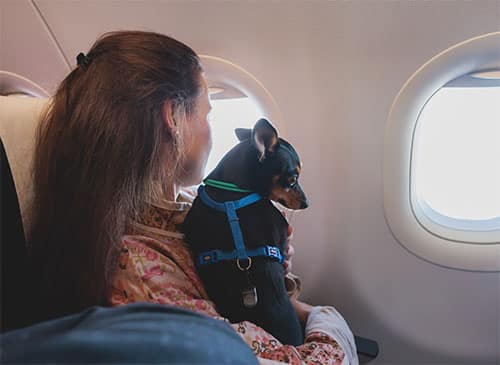




Travel Insurance Adoption is High
3
- Every Trip 48%
- Cost of Trip 26%
- Destination of Trip 23%
Travel Insurance Adoption is High
%
Both Domestic & International
WHILE
%
International Only
Top Reasons for Buying Travel Insurance
Medical
Losing Money
Flight Delays
2026 Travel Insurance Trends



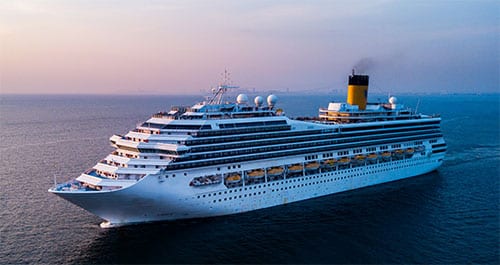
2026 Average Trip Profile
3
$2,868
Average Insured Trip Cost
49
Average Age of Travelers
8 Days
Average Length of Trip
17 Days
Average Trip Deposit Date to Date of Purchase
196 Days
Average Trip Deposit Date to Trip Departure Date
More Stats Available in Digital Book
If you would like to read more Travel Statistics
Partner Interviews

Creating Unforgettable, Active Experiences
Backroads has long been associated with active, experience-driven travel. What originally inspired the focus on adventure-based itineraries?
Backroads began with my dad, Tom Hale. While working a desk job, he dreamed of creating a company that let people experience the world by bike—something few were offering at the time. Once the idea took hold, he left his job and set out on a 5,000‑mile ride across the western US, using that journey to map out and shape what would eventually become Backroads.
From the beginning, the idea was simple: when you move under your own power, you experience a place differently. You notice the terrain, the weather and the subtle shifts from town to town. You’re not just passing through a place, you’re in it.
What began as a domestic biking company evolved naturally over time. As our guests’ interests grew, we expanded into hiking and walking trips, new regions and eventually active travel around the world.
Nearly 50 years later, that belief still guides us.
How do adventure travelers differ from more traditional leisure travelers?
Adventure travelers want to be immersed in the places they visit. They want to be active, unlike traditional leisure travelers who may be just as happy spending five days at the beach.
Backroads guests certainly enjoy unwinding at the hotel pool at the end of a full day, but rather than prioritizing relaxation as the central focus of the trip, they are seeking days built around activity, exploration and meaningful connection.
That’s where we come in. We handle the logistics so they can focus on being outside, connecting with the group and enjoying the rhythm of each day.
What types of destinations or activities tend to attract guests who are new to adventure travel versus seasoned participants?
Our Dolce Tempo trips are a wonderful entry point to active travel. They blend activity with a more relaxed pace, so there’s space to build confidence and find your rhythm.
One thing that’s true across all Backroads trips is choice. We design itineraries with different mileage and terrain options, so guests can shape the day around how they’re feeling. Some might stretch a little farther. Others may savor a slower pace. Both are equally valid.
Seasoned travelers who are looking for a bigger physical challenge might gravitate toward a more demanding bike trip like Mallorca or the Carolinas, or a hiking adventure in the Dolomites, Lofoten Islands or Canadian Rockies.
From your experience, what risks or considerations are most top-of-mind for guests booking active or physically demanding trips?
Clarity. Guests want to understand what a day will feel like—not just the mileage, but the terrain, the elevation, the pacing. They want to be confident the trip matches their ability and expectations.
Weather and general travel logistics are always considerations, too. Ultimately, people just want to be prepared.
How does the level of activity in an itinerary influence guest expectations around preparation and support during a trip?
The more active the itinerary, the more guests value clear preparation. Honest descriptions, training suggestions and detailed pre-trip materials help people arrive feeling ready.
On trip, leadership matters. Conditions change. Energy levels fluctuate. Our Trip Leaders are experienced at reading the group, adapting as needed and creating an environment where guests feel supported but not managed.
Have you seen interest in adventure travel evolve over time?
Absolutely. Over the years, we’ve seen a real shift toward travel that feels active and immersive rather than passive. People want to experience a place—through the landscape, the local food, the pace of daily life and time spent outdoors.
What’s changed most is how broad that interest has become. Now it’s families traveling together, solo travelers, women’s groups, multi-generational trips and guests staying active well into their 60s and 70s and beyond.
How do Backroads guests typically think about travel insurance?
Many guests initially think about what could happen during the trip, like illness abroad, a minor injury or travel delays.
What’s sometimes less obvious is that most disruptions happen before departure. An injury at home, a family situation or an unexpected health issue can derail plans long before a flight takes off.
Our Trip Consultants talk through those scenarios, so guests understand insurance isn’t just about protecting time on trip. It’s about protecting the entire experience—from booking to return.
Are there specific coverage considerations that tend to be especially relevant for adventure travelers?
We’re proud of our safety record and the care that goes into designing our trips.
Adventure travelers tend to lead active lives year-round. Statistically, they’re more likely to get sick or injured during everyday life than on trip.
Comprehensive coverage, paired with our Flexible Cancellation Plan, gives guests options. If something comes up, they can prioritize their health and reschedule rather than feel pressure to travel before they’re ready. That flexibility often makes for a better experience in the long run.
How does Backroads help set expectations around preparation and planning for unexpected events while traveling?
Active travel means conditions can change. Weather shifts. Trails close. Travel delays happen.
We set expectations early with detailed pre-trip materials, including our Straight Talk sections, so guests understand activity levels and the need for flexibility. After nearly five decades, we’ve learned how to plan for a wide range of scenarios.
Experienced Trip Leaders, contingency planning and open communication ensure that if something unexpected does happen, guests feel steady and informed, not surprised.
In your view, how does travel insurance fit into the overall planning process for adventure travel?
For many guests, a Backroads trip represents something meaningful. It might be riding their longest distance yet, hiking to a summit they’ve dreamed about or carving out time for themselves after a busy season of life.
Insurance doesn’t take away from that. It supports it.
As guests book further in advance and invest more in experiences that matter to them, protecting that investment becomes a practical step. We encourage guests to consider coverage at the time of booking and take the time to review the details carefully.
When coverage is in place, it allows everyone to focus on the good part—the training, the anticipation, the journey itself. If plans need to shift, there are options. And that peace of mind helps guests show up ready to fully embrace the experience.
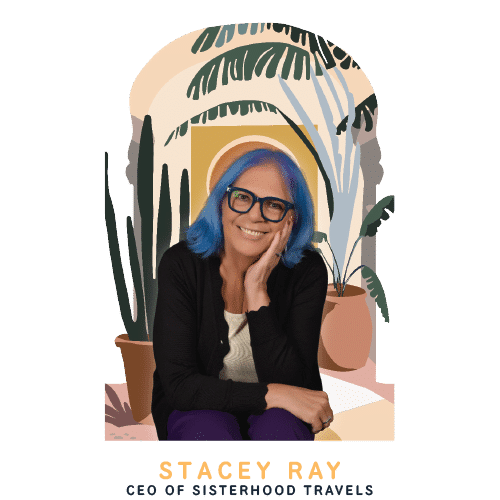
The Art, Science and Beauty of Building Solo Female Traveler Communities
What gap in the travel market inspired the creation of Sisterhood Travels?
Sisterhood Travels was born out of grief and frustration — mine and other women’s.
After my husband passed away, I realized that I still wanted to travel, even though I was now alone. I kept thinking that there must be other women out there who wanted to see the world but didn’t have a partner to go with, didn’t feel safe traveling alone, or were tired of waiting for someone else’s schedule to line up. The travel industry was either focused on couples, retirees, or backpacking twenty-somethings. There wasn’t a welcoming, safe, thoughtfully designed space for everyday women, especially women over 45, who wanted adventure, culture, and connection.
So, I built what I couldn’t find: a community-first, women-only travel experience where you don’t have to prove you’re adventurous enough, young enough, or experienced enough. You just have to show up ready to explore.
How do the needs and expectations of solo female travelers differ from traditional group travelers?
Solo female travelers aren’t just booking a trip. They’re making a brave decision.
Their priorities are different. Safety matters more. Emotional comfort matters more. Roommate pairings matter. Walkability, downtime, group chemistry: these things are not afterthoughts.
Traditional group travel often focuses on logistics and sightseeing. Women traveling solo want connection, support and the reassurance that someone has thought through the details. They want to feel seen, not processed.
They’re not just asking, “What will we see?”
They’re asking, “Will I feel safe? Will I belong?”
What destinations or trip styles resonate most with women traveling solo for the first time?
Europe is always a strong first step. The countries feel familiar enough and, more important, they fulfill those bucket list destinations for many women.
For first-time solo travelers, immersive but structured experiences resonate most. Cooking classes, wine tastings, local guides, small group tours.
The sweet spot is: “I’m doing this on my own… but I’m not alone.”
From your perspective, what concerns are top-of-mind for women booking international trips?
Safety is always first. Not in a dramatic way, but in a practical, everyday way. Women think about navigating unfamiliar airports, transportation in a foreign language, arriving at a hotel late at night, or figuring out train systems on their own. It’s the “How will I manage this?” questions that weigh heavily.
There’s also concern about being visibly alone. Will I stand out? Will I know what to do if I feel uncomfortable? What’s the plan if I get lost?
Medical emergencies abroad are certainly on their minds too, especially for women 45+. Many are very aware that things happen, and they want to know they’d be supported if they needed care in another country.
And then there’s trip interruption. Women often carry a lot of responsibility at home such as caring for aging parents, spouses, children, or even work obligations. They worry about what happens if they need to pivot quickly.
It’s rarely about fear of the world. It’s about wanting confidence in navigating it.
How does a women-only group environment change traveler confidence and decision-making?
It changes everything. Before the trip, women book more confidently because they know the environment will feel safe and supportive. They don’t worry about being the only single person or feeling out of place.
During the trip, confidence skyrockets and they actually build life skills. I watch women try foods they’d normally avoid. Navigate cities they never imagined visiting. Extend trips on their own afterward.
Most important, there is something transformative about being surrounded by women who are cheering you on instead of questioning your choices. They are making brand new lifelong friendships at an age where that usually feels impossible.
Have you seen niche travel experiences drive different planning behaviors among your travelers?
Absolutely. When women book immersive or longer itineraries, they plan more intentionally. They ask deeper questions. They think through packing, health, insurance, activity levels, and even pre-trip fitness.
They aren’t just “taking a vacation.” They’re investing in a life experience.
How do your travelers typically think about travel insurance?
Five years ago, it was an afterthought. Now, it’s part of the booking conversation we have with every traveler.
Our travelers see insurance as peace of mind — especially when they’re traveling internationally or without a spouse. They want to protect their investment and reduce the “what if” stress.
Are there specific coverage considerations that tend to be more relevant for your audience, such as medical support abroad or trip interruption?
Trip interruption and cancellation coverage is number one. Women frequently carry responsibilities at home, and life can change quickly. We do a lot of education about the unexpected – especially the statistic that most trip cancellations happen within 7 days of departure.
Medical coverage abroad is also huge. Many assume their domestic insurance travels with them — and it often doesn’t. Emergency evacuation coverage also brings comfort, especially for more remote destinations.
How does Sisterhood Travels help travelers prepare for unexpected events while traveling internationally?
Preparation is empowerment. We provide detailed pre-trip guidance, packing lists, destination briefings, and realistic conversations about what to expect culturally and logistically.
But beyond logistics, we build community before departure. When something unexpected happens, they’re not alone. They have our team, our local partners, and their sisterhood.
How has demand for women-only travel evolved in recent years?
The demand has exploded. Post-pandemic, women are done waiting. They’re prioritizing experiences now, not “someday.” Many are in transitional life phases — divorce, widowhood, empty nesting, retirement — and they’re choosing travel as a form of rediscovery.
Women-only travel isn’t about excluding men. It’s about creating an environment where women feel fully themselves.
Women-only travel is no longer niche. It’s a movement. And it reflects something bigger: travelers want alignment. They want community, purpose, and experiences designed specifically for them — not repackaged mass tourism.
What advice would you give travel advisors looking to better support women-focused travel communities?
Listen more than you sell.
Women want to feel understood, not upsold. Create space for their concerns. Be transparent about safety, logistics, and financial protections.
And never underestimate the emotional side of booking. For many women, clicking “reserve” is a courageous act.
If you can honor that, you’ll build loyalty that lasts.

Finding Fun for the Whole Family
What trends are you seeing in family travel today?
Multigenerational travel is becoming more and more popular. As more families encourage older generations to prioritize experiences and personal enjoyment over saving solely for inheritance, we’re seeing new, less-experienced travelers enter the multigenerational travel market.
These families tend to start with their bucket list trips like the Galapagos or African Safaris.
How do planning priorities differ for families or multigenerational groups?
Parents often don’t want to take their kids out of school to travel, so they prioritize trips during school breaks. The high demand for these times will often also mean higher pricing and lower availability, so early planning becomes that much more crucial.
Because of this, most multigenerational trips occur over winter and summer breaks. This works around school calendars, and can often be a time that working adults find more flexibility to take time off.
Families with upcoming high school graduates tend to book 6-9 months in advance for a graduation trip, while large multigenerational trips generally start planning 12-15 months out.
What destinations or trip types are resonating most with families right now?
Theme parks are a focus for families, but many find them to be “one and done” experiences. Cruises are an easy transition from those thrills to similar experiences on the seas. Ships like the Icon of the Seas and the Norwegian Aqua are creating new cruise lovers with their water coasters and surf simulators, not to mention the exciting water parks on their private islands.
What are the biggest stressors families face when organizing a vacation?
Their budget, perfect timing with their kid’s schedules, and wanting to find a balance that makes everyone happy. That’s where we come in: we can help match them with the right fit.
Instead of pushing families into a brand or room category they don’t feel comfortable in, we help them find the sweet spot so they will enjoy their experience from start to finish.
How has demand for experiential or milestone-driven trips influenced the way families approach planning?
In the world of Instagram and TikTok, we all make decisions—subconsciously or not—with this in mind. Travelers are seeking out the destinations they saw on social media, which can mean more trips are being guided by younger generations even though the older generations may be funding the vacation.
In contrast, there are plenty of grandparents who have dragged their teen grandkids down the cobblestone streets of Europe because that was their dream.
What logistical considerations tend to be unique to family travel?
Families of 5 or greater can pose a challenge. Most of the Caribbean island resorts are wonderful for families of 4, but require a rollaway bed or an upgrade to a suite for a larger family. Some resorts are beginning to respond to this by adding rooms that have bunkbeds and trundle beds, to make accommodations more flexible.
Multigenerational families might live in different areas, but generally want to fly the long legs of a trip together. Sometimes this can pose logistical challenges, but we work our magic and present the best options that we can.
How do families typically think about travel insurance when booking a trip, especially when multiple travelers are involved?
Many families still think of travel insurance as a cancelation benefit, so we always point out the potential for weather delays, missed connections, and illness/injury to derail their travel plans.
We all book a vacation with the intention of going on it, but sometimes life happens.
Throughout the planning process, and the time between booking and departure, we always remind our clients of the importance of travel insurance. It’s a small cost to protect the investment they have made to this vacation.
Are there specific coverage considerations that are particularly relevant for families?
Absolutely! Medical care is a big one. Medical insurance often doesn’t cover you abroad. So the cost of a travel insurance policy will be far less expensive than paying out-of-pocket should something happen while traveling.
Travel delays is another pain point, especially in Europe during the summertime. If delays mean having to pay for additional nightly accommodations, the cost can grow astronomically during this busy season.
What misconceptions do families often have about travel insurance?
Most families think travel insurance only protects you if you need to cancel—they don’t realize everything that an insurance policy can cover.
Others don’t realize that you can’t purchase an insurance policy a couple of days before their cruise, and after a storm has been named.
How do you approach educating families about preparing for the unexpected without overwhelming the planning process?
I will usually pick out a story from my vault from my 9 years of experience as an advisor. If they are on a multigenerational trip, I usually tell the story about grandpa who fell and had to be airlifted from the cruise. Someone heading to the Caribbean from winter break will hear me recommend insurance because winter travel poses so many opportunities for weather delays; and theme park vacationers may hear the story about a dad who had a heart attack the day before their big vacation to Walt Disney World and Universal Studios.
It’s about educating about the unknown without instilling fear and making sure travelers are educated and prepared if something should happen.
Have you noticed differences in how first-time traveling families view risk compared to seasoned family travelers?
A lot of first-time travelers have reservations about the cost of vacation, so much so, that they are protective of their investment and tend to be more likely to purchase travel insurance than the experienced traveler.

Spreading Joy Through Accessible Travel
What inspired you to specialize in accessible travel planning?
Complications from limb-girdle muscular dystrophy made mobility challenging for me. But after a bad fall, what had been a gradual decline suddenly felt definitive. I was no longer independent and I needed a wheelchair.
Travel, unexpectedly, offered a form of healing that did not depend on a cure. It allowed me to rebuild my confidence and feel unafraid of my body or circumstance.
I joined Fora to show others what travel could look like alongside perceived limits, to influence who feels entitled to explore and how those receiving them could do so with greater care.
How does lived experience shape the way you design itineraries for travelers with mobility considerations?
Lived experience changes what questions you ask. It reduces fear for both the traveler and the provider. When you can say you’ve done it, lived it or have been close to the types of scenarios you are planning for, it immediately drops defenses.
Accessibility is rarely about a single feature. It is about as wide and varied as the people we plan for. Any traveler's individual needs can impact the entire itinerary.
We plan for any accessible use case. Our advisor intake forms now routinely include mobility, sensory, and medical considerations not as special requests, but as standard planning details. We verify what “accessible” actually means on property. We ask for measurements, layouts, and real-world functionality. We book for food allergies, autism, service dogs or early dementia. We can accommodate it all and have agents that actually have lived experience with all these situations.
What misconceptions still exist within the industry about accessible travel?
One major misconception for suppliers is that accessibility is a niche or a compliance obligation. This segment is 20% of all travelers, yet we don’t talk about the needs.
Another overlooked detail is that while sometimes travelers will self-identify accessibility needs upfront, more often they will emerge during the planning process. So we need to always ask questions and follow ups. This way all travelers feel heard and their needs anticipated.
What destinations or travel styles have made the greatest strides in accessibility in recent years?
Luxury hospitality has made meaningful strides when accessibility is tied to business growth rather than regulation.
We see stronger integration in North America and parts of Europe, especially where renovations incorporate step-free design and more thoughtful room layouts. Certain cruise lines have improved fleet-wide accessibility. Safari markets and island destinations are beginning to lean in more intentionally as well.
What are the most common challenges travelers with mobility needs encounter when planning international trips?
The biggest challenge is unreliable information, or lack of information.
“Accessible” can mean very different things depending on the country, property, or operator. Bathroom configurations are often unclear. Transfers may not actually be step-free. Elevators may exist but do not serve every level.
International travel requires coordination across multiple suppliers. A single breakdown in transportation or room design can disrupt the entire experience. That is why direct vetting and layered communication matter.
How do you vet hotels, transportation providers, and tour operators to ensure accessibility standards are truly met?
We build systems. Advisors vet properties, coordinate step-free transportation, evaluate cruise ships, and confirm real-world mobility access. We maintain vetted supplier lists and internal playbooks. The feedback that advisors provide has even directly influenced accommodation purchases, improved renovation designs, and led to clearer program descriptions.
How does planning differ for travelers who require medical equipment, mobility devices, or specialized accommodations?
Planning requires earlier and deeper coordination.
We confirm room clearance for equipment, verify voltage compatibility abroad, coordinate airline assistance, and build in pacing for energy variability. For travelers living with chronic illness, sensory sensitivity, or layered needs, itinerary design includes recovery time and flexibility.
Mobility devices, service animals, severe allergies, hidden illnesses, and neurodivergent needs are normalized as planning considerations.
When discussing travel insurance with clients who have accessibility needs, what considerations tend to be most relevant?
Clients are often most concerned about medical support abroad, evacuation coverage, trip interruption, and pre-existing condition clauses.
Clarity matters. Travelers need to understand what is covered, what documentation is required, and how timing of purchase affects eligibility. Insurance is part of responsible planning, especially when travel involves layered medical or mobility needs.
Are there particular coverage features that are especially important for travelers with mobility or medical considerations?
Medical evacuation coverage, coverage for pre-existing conditions when purchased within required windows, trip interruption, and protection for specialized equipment are especially relevant.
What misunderstandings do travelers with disabilities often have about travel insurance and pre-trip planning?
A common misunderstanding is assuming that standard policies automatically address complex medical or mobility needs. Coverage varies significantly.
Another is underestimating how much coordination reduces risk. Proper planning, clear communication, and working with advisors who understand accessibility can prevent many avoidable disruptions.
How can travel advisors and suppliers better support inclusive and accessible travel experiences?
Advisors and suppliers can normalize accessibility conversations.
When accessibility is integrated into standard workflows rather than treated as a special accommodation, the tone shifts. Advisors need structured education and real-time communities to solve complex travel scenarios at scale. Suppliers need feedback loops and the willingness to ask better questions.
Looking ahead, what advancements would you like to see across the travel industry to further improve accessibility and traveler confidence?
I would like to see accessibility treated as core hospitality infrastructure, not an add-on. I want it to be inclusive overall, not a niche.
Standardized global definitions of accessible rooms, clearer photography and measurements, better airport-to-hotel transfer coordination, and proactive supplier transparency would dramatically increase traveler confidence. Hotels that follow up and confirm specifics, ask how they can go above and beyond and who check in to see what can be improved in the future.
Most importantly, I would like to see accessibility recognized as part of how hospitality is delivered. When inclusion is embedded into the business model rather than positioned as compliance, progress accelerates.
About Us
SINCE 2012
In 2012, Arch saw the need to provide more cohesive services across key departments such as customer service, claims, and underwriting, and thus launched the RoamRight brand and subsequently rebranded it to the Arch RoamRight brand. Arch RoamRight offers travel insurance
plans for leisure, business, student and group travelers taking both domestic and international trips. From trip cancellation to emergency medical insurance plans and an award-winning partner portal and website, Arch RoamRight is an industry leader in innovation and technological solutions.
As an industry leading travel insurance provder, Arch RoamRight knows how important it is to put the insured travelers first, especially during stressful situations. Can you say the same about your travel insurance provider?
As travel trends shift and are redefined, we stand behind our service to you and your insured client. The Arch Experience is aimed at providing one-of-a-kind customer experiences, delivering a cultural journey of behaviors and actions that sets us apart from our competitors. Remaining passionate about the voice of the customer, we work diligently to maintain our high service levels, boasting a low call abandonment rate, short wait times, timely email responses, along with an efficient and prompt claims settlement process.
Industry and Customer Service Awards
4


What We Offer
Brief Overview of Our Plans.
Pro Travel Insurance Plan
The Pro Plan provides basic travel protection at an affordable price.
For adventure travelers, the Pro Plan also offers a sports and equipment rental upgrade, which includes activities such as bungee jumping, skydiving and more.
Pro Plus Travel Insurance Plan
This plan provides for primary medical coverage when traveling, as well as coverage for cancel for work reasons if purchased within 21 days of making your initial trip deposit.
Pro Plus is a family friendly plan that offers coverage for one child (under 18) with each insured traveling adult at no additional charge. Need more coverage? The Pro Plus plan also offers optional upgrades for rental car coverage, baggage, and adventure sport and activities.
CancelFlex Travel Insurance Plan
Trip cancellation insurance is the most popular feature of Arch RoamRight’s trip insurance plans.
This plan provides additional cancellation coverage when client’s need to cancel outside of the covered reasons in the policy.
On Trip Plus Travel Insurance Plan
The On Trip Plus Plan is a great option for last-minute travel that only needs post-departure coverage.
This plan also includes security, political and natural disaster assistance and provides for medical evacuation to the hospital of your choice, subject to the policy provisions.
Annual/Multi-Trip Travel Insurance Plan
Great for frequent travelers, our Multi-Trip plan provides travel protection coverage for multiple trips throughout the year, up to the stated trip cost limit selected. This plan takes all of the great features from our Trip Cancellation coverage and extend it into a convenient annual travel protection plan. Not available to NY and HI residents. Ask us about plans for travel advisors.
Global Travel Insurance Plan
An excellent option for your international clients traveling outside their home country, offering many of the same key benefits featured in our U.S. plans. This comprehensive coverage includes trip cancellation, emergency medical evacuation and political or security assistance—providing added confidence wherever travelers go.
Endnotes
1
Ipx, & Ipx. (2026, February 17). Travel Industry Trends & Statistics 2026 | IPX1031. IPX1031 – Investment Property Exchange Services, Inc.
2
Clara Sedlak (2026, January 28). Tripadvisor Trendcast 2026. TripAdvisor
https://www.tripadvisor.com/Articles-lWEDnGiu8I60-Trendcast26.html
3
Arch RoamRight data is based on Arch
RoamRight® policies data from 2025-2026.
4
Based on awards granted to Arch
RoamRight® in the year 2025-2026.